

Instead, they reallocate a portion of the RE to common stock and additional paid-in capital accounts. This allocation does not impact the overall size of the company’s balance sheet, but it does decrease the value of stocks per share. A balance sheet provides insight into a business’s current financial status and is only a snapshot of that moment in time. When an accounting period ends, an income statement is drafted first; then the business can decide where to allocate leftover earnings and cash. The relationship between retained earnings and shareholder equity is foundational to understanding a company’s financial structure.
Financial Health
Observing it over a period of time (for example, over five years) only indicates the trend of how much money a company is adding to retained earnings. Revenue is the money generated by a company during a period but before operating expenses and overhead costs are deducted. In some industries, revenue is called gross sales because the gross figure is calculated before any deductions. Holding liquid cash is wise, as investment opportunities may come up during the year. Further, many companies decide to keep cash readily available as unforeseen expenses may come up that weren’t accounted for during the initial budget.

What Is Retained Earnings to Market Value?
Ask a question about your financial situation providing as much detail as possible. Our mission is to empower readers with the most factual and reliable financial information possible to help them make informed decisions for their individual needs. Retained earnings are reclassified as one or more retained earnings meaning types of paid-in capital under two general circumstances.

Significance of retained earnings in attracting venture capital
Our recording transactions intuitive software automates the busywork with powerful tools and features designed to help you simplify your financial management and make informed business decisions. The retained earnings amount can also be used for share repurchases which can help improve the value of your company stock. It is the percentage of income the company holds to utilize in its business operations.
- Retained earnings and dividends represent two distinct strategic approaches to managing a company’s profits.
- A business’s calculated retained earnings are a crucial indicator of overall financial health.
- But retained earnings provides a longer view of how your business has earned, saved, and invested since day one.
- All factors affecting net income will ultimately impact retained earnings.
- Positive retained earnings signify financial stability and the ability to reinvest in the company’s growth.
- Retained earnings can typically be found on a company’s balance sheet in the shareholders’ equity section.
- Since you’re thinking of keeping that money for reinvestment in the business, you forego a cash dividend and decide to issue a 5% stock dividend instead.
Where are retained earnings found on the balance sheet?
This approach is particularly evident in industries like pharmaceuticals and technology, where continuous innovation is crucial for maintaining market leadership. Companies like Apple and Google have historically reinvested significant portions of their earnings into R&D, resulting in groundbreaking products and services that drive sustained growth. Every business has a portion of money not paid out as dividends or used in daily operations; it is called retained earnings. You can utilize the money in bookkeeping and payroll services investing, refinancing, managing debt, and expanding the services.
- After adding/subtracting the current period’s net profit/loss to/from the beginning period retained earnings, you’ll need to subtract the cash and stock dividends paid by the company during the year.
- The effect of cash and stock dividends on the retained earnings has been explained in the sections below.
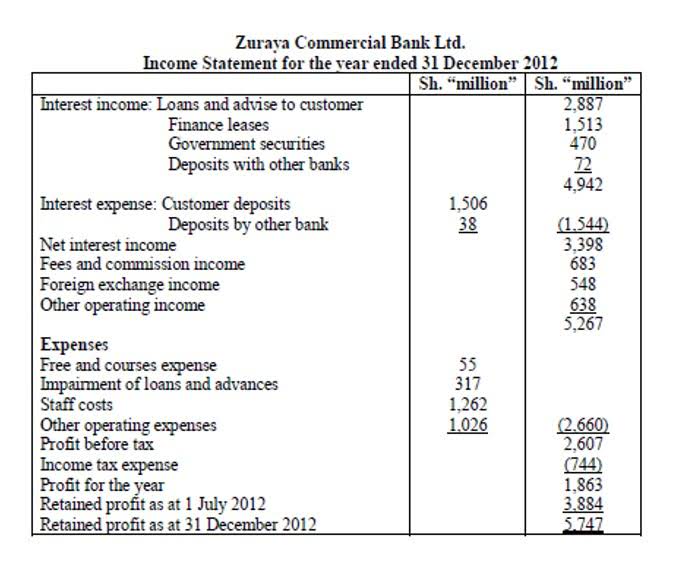
- This is the amount of retained earnings to date, which is accumulated earnings of the company since its inception.
- Retained earnings are reported in the shareholders’ equity section of the corporation’s balance sheet.
- When you’re able to produce more goods and services, you should be able to expand your company and increase profits.